Sustainability is a fundamental pillar of our corporate strategy, guiding decision-making and long-term value creation. Our approach is structured around the GSE framework—Governance, Social and Environment—ensuring a comprehensive and balanced integration of responsible practices across all areas of our business.
GSE APPROACH
Our Sustainability Pillars
Through this integrated GSE approach, we ensure that sustainability is embedded into our operations, enabling measurable progress and contributing to a more responsible and resilient industry.

Governance is the foundation of our sustainability strategy, ensuring that commitments are translated into consistent, measurable and accountable actions. Our framework is built on robust policies and ethical standards that guide decision-making across all levels of the organization, reinforcing integrity, compliance and responsible business conduct.
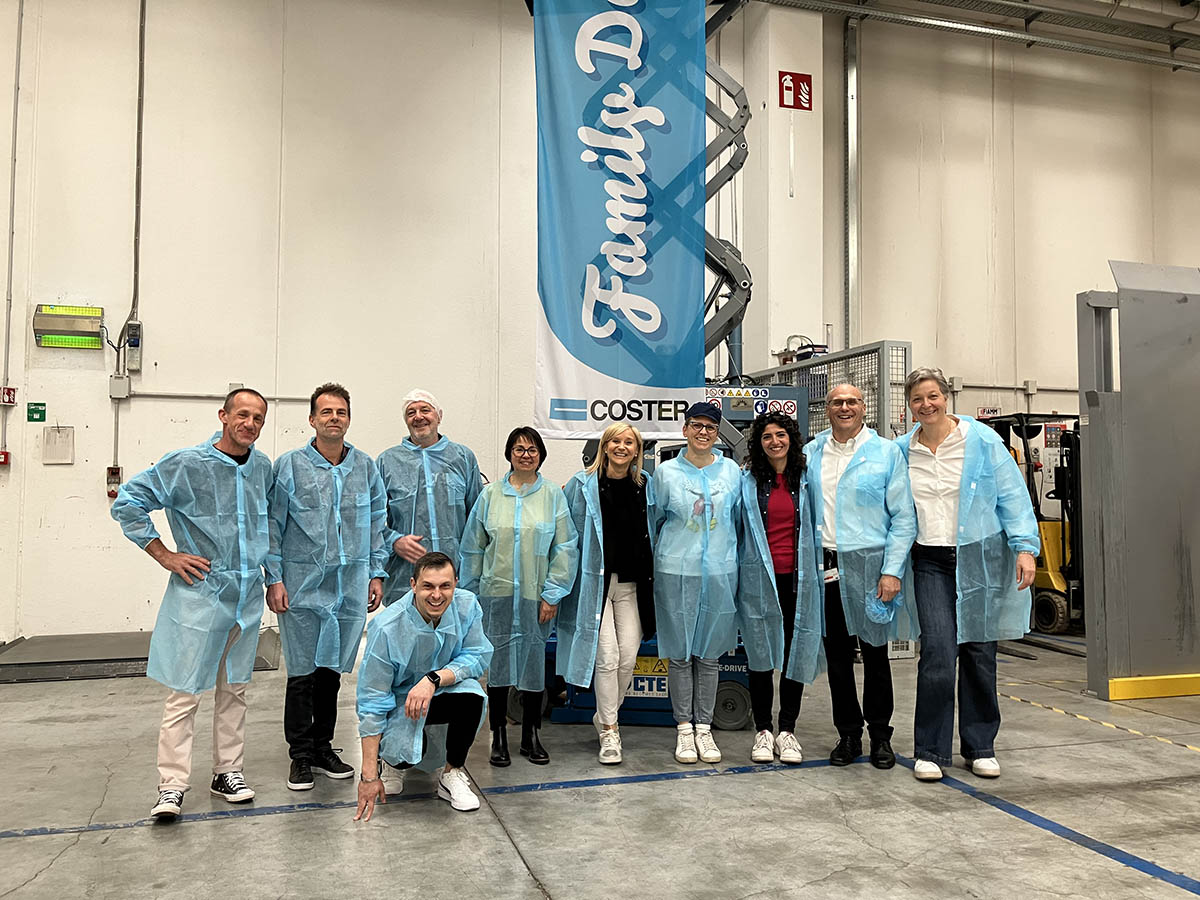
Our Women Owned Business certification is an important and defining element of our corporate identity. More than a certification, it reflects a long-standing company mindset and culture that values diversity, female leadership, equal opportunities and inclusive decision-making. It is part of how we understand responsible business and contributes to shaping the way we operate and grow as a company.
We define clear commitments, targets and roadmaps, aligned with recognized international frameworks, to drive continuous improvement and long-term value creation. Progress is systematically monitored through structured reporting processes, supported by reliable data management and independent verification, ensuring transparency and credibility.
Sustainable procurement practices are a key component of our governance model. We work closely with suppliers to promote environmental and social standards across the value chain, integrating sustainability criteria into sourcing decisions and fostering long-term, responsible partnerships.
Through this comprehensive governance approach, we strengthen accountability, manage risks effectively and ensure that sustainability remains fully embedded in our corporate strategy and the way we do business
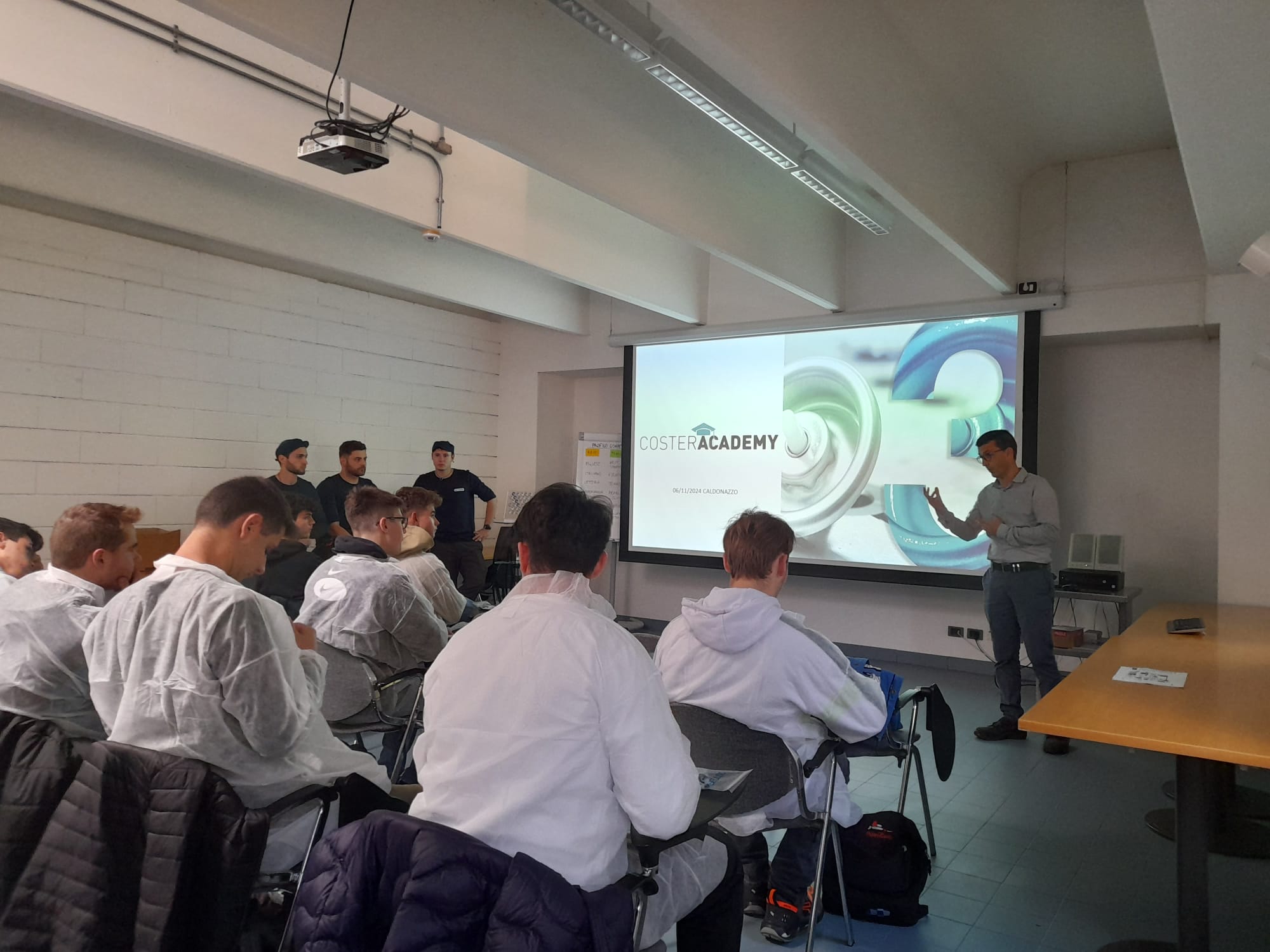
People are at the core of our organization and a key driver of sustainable growth. We are committed to fostering an inclusive, diverse and engaging workplace where talent is developed, valued and empowered. Continuous training and professional development ensure that our employees are equipped with the skills required to adapt to evolving challenges and contribute to long-term success.
We place the highest priority on health and safety, promoting a proactive culture based on prevention, risk awareness and continuous improvement. Our goal is to provide a safe and healthy working environment across all operations, supported by clear procedures, regular monitoring and employee engagement.
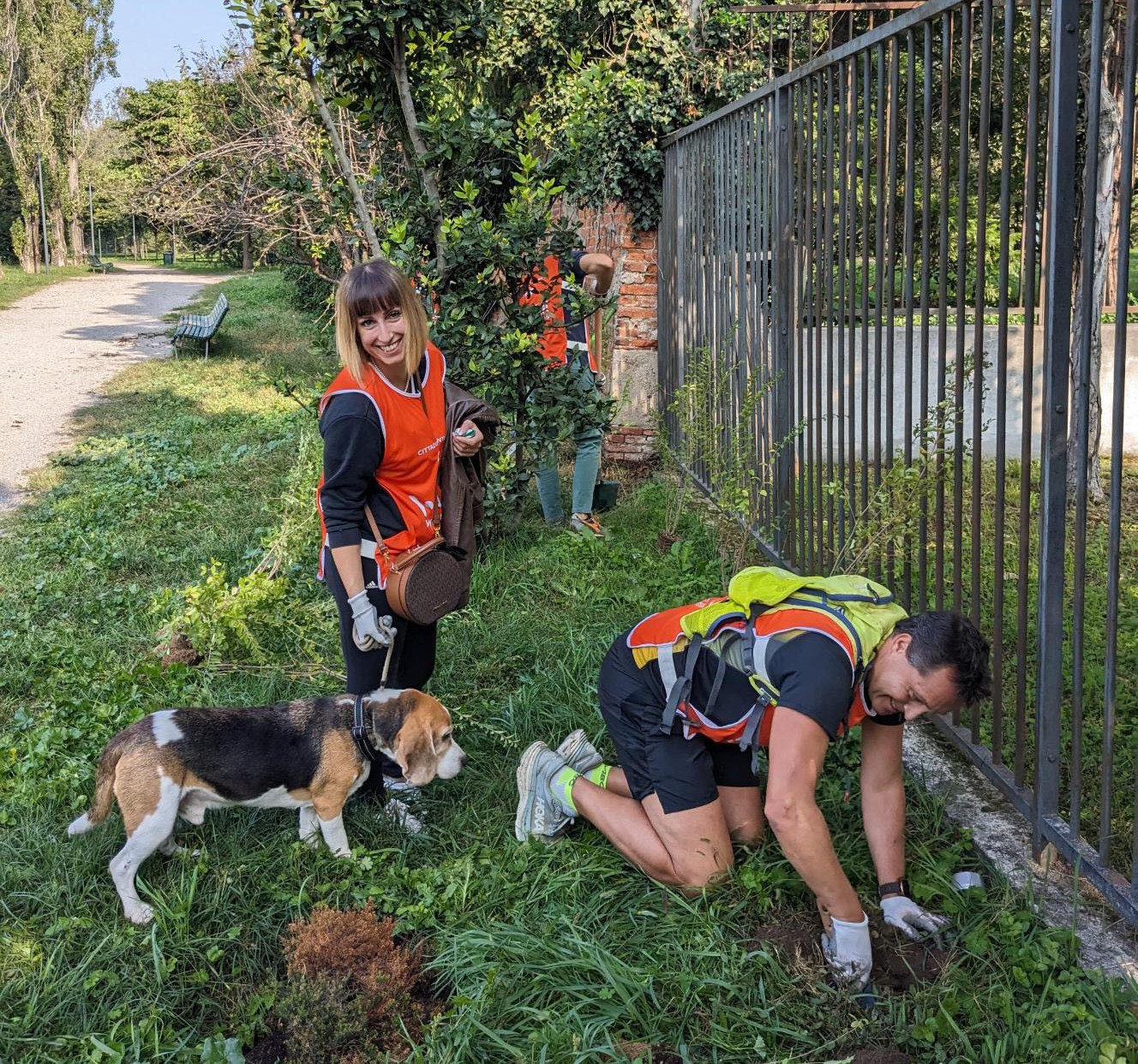
Our commitment extends beyond the workplace through Coster Cares, our social responsibility program focused on supporting local communities and generating a positive social impact. Through structured initiatives and partnerships, we aim to contribute meaningfully to the well-being of the communities in which we operate.
To ensure alignment with recognized ethical and social standards, we conduct regular SMETA audits (Sedex Members Ethical Trade Audit) across our operations and supply chain. These assessments provide independent verification of our compliance with labor, health and safety, environmental and business ethics requirements, reinforcing transparency and accountability.
We are committed to minimizing our environmental impact through a structured and data-driven approach focused on resource efficiency, emissions reduction and circularity. We systematically monitor and manage our energy and resource consumption, implementing initiatives to improve efficiency and reduce environmental footprint across all operations.
A key priority is the reduction of CO₂ emissions, supported by defined targets and transition plans aligned with global climate objectives. We also focus on the responsible management of waste, promoting reduction at source, reuse and recycling to advance towards more circular production models.
To assess and improve the environmental performance of our products, we apply Life Cycle Assessment (LCA) methodologies, enabling a comprehensive evaluation of impacts from raw materials to end-of-life. This approach supports informed decision-making and the development of more sustainable solutions.,
All environmental data is measured, verified and reported on an annual basis, ensuring accuracy, transparency and alignment with recognized standards. Through continuous monitoring and improvement, we strengthen our contribution to a low-carbon and resource-efficient industry.
Commitment & Rating
SUSTAINABILITY GOVERNANCE
Governance
Policies and codes are fundamental elements of a robust sustainability governance framework, as they establish the principles, rules, and expected behaviors that guide decision-making and operational practices across the organization. They provide a structured approach to managing sustainability-related risks and opportunities while ensuring consistency, compliance, and accountability throughout the business. Sustainability policies and codes typically cover a broad range of topics, including environmental protection, climate change, human rights, labor practices, diversity and inclusion, business ethics, anti-corruption, responsible sourcing, and occupational health and safety.
The Organisational Model adopted by Coster describes the set of rules, both operational and deontological, set by the Company according to the specific activities and pursuant to the provisions of Italian Decree 231. Among the purposes the Model, to raise awareness of the importance of correct and transparent behavior among the Addressees, in line with the ethical and social values of Coster, to strengthen the culture of internal controls and risks management, to protect Coster’s reputation towards all stakeholders, to ensure that all business activities comply with current regulations. Following the transposition in Italy of the EU Whistleblowing Directive (2019/1937) aimed at protecting anyone who reports work-related misconduct, through the legislative decree 10 March 2023, n. 24, Coster is currently updating its own Whistleblowing Scheme.
Coster has issued and spread its Ethical Code in the corporate and through the Supply Chain, for the purpose of providing a set of commonly agreed values and principles which reflect Coster commitment towards conducting business responsibly.
The foundations of our beliefs are the fair and integrity business, the respect of human rights that also reflects the commitment to continuously enhance the life in the workplace, Safety, health and environment protection.

Sustainability is an integral part of our long-term strategy and our commitment to creating lasting value for our people, customers, partners, communities and the environment. Our sustainability commitments translate this ambition into measurable action, aligning our business strategy with internationally recognised principles and the expectations of our stakeholders.
Our approach is guided by key international frameworks, including the Paris Agreement, the United Nations 2030 Agenda and its 17 Sustainable Development Goals (SDGs), with particular focus on SDGs 4, 7, 8, 9, 12 and 13, which are most relevant to our activities. We are also guided by principles such as those established by the Rio Declaration on Environment and Development.
These frameworks provide direction, while our commitments translate them into action across our business and value chain. We believe sustainability commitments must go beyond statements of intent and be supported by clear objectives, measurable indicators, defined responsibilities and transparent reporting.
We therefore participate in recognised sustainability initiatives and assessment frameworks such as CDP and EcoVadis, while also aligning with initiatives and programmes including the Science Based Targets initiative (SBTi), the New Plastics Economy and Operation Clean Sweep. Together, these frameworks and initiatives provide external perspectives, science-based guidance and industry collaboration, helping us identify areas for improvement and strengthen transparency, accountability and continuous progress.
Our commitments operate at global, industry, national, regional and local levels, reflecting the specific challenges and opportunities of the markets and communities in which we operate. We also collaborate with customers, suppliers, industry associations, public institutions, NGOs and other stakeholders, recognising that meaningful sustainability progress requires cooperation across the value chain.
Our sustainability strategy translates our commitments into concrete objectives, measurable actions and long-term results, integrating sustainability into the way we operate, invest, innovate and make business decisions.
Our roadmap establishes priorities across the areas where we can have the greatest impact, covering climate action and decarbonisation, energy and renewable electricity, resource efficiency, waste and circularity, water, responsible sourcing, occupational health and safety, people and development, ethics and governance, and our contribution to communities.
Our objectives are supported by recognised international frameworks and science-based methodologies. In particular, our climate targets are aligned with the Science Based Targets initiative (SBTi) and address emissions across both our operations and value chain.
We translate our objectives into specific programmes and initiatives, combining short- and medium-term targets with a long-term vision. This enables us to establish clear milestones while adapting our actions to technological developments, regulatory changes and evolving stakeholder expectations.
Transparency, measurement and continuous improvement are fundamental to our approach. We monitor progress through quantitative indicators and, where possible, complement internal monitoring with recognised standards, external assessments and verification processes.
Our sustainability strategy is therefore an evolving process of setting objectives, implementing actions, measuring results and raising our level of ambition. The targets and roadmap presented below reflect our current path towards progressively reducing our environmental impact, strengthening our positive contribution to people and society, and creating long-term value across our value chain.
Auditing, certification, and verification are critical mechanisms for ensuring the credibility, effectiveness, and continuous improvement of an organization’s sustainability governance framework.
While commitments, objectives, policies, and codes define expectations and strategic direction, independent audits, certifications, and verifications provide assurance that these elements are being properly implemented, monitored, and complied with in practice.
Regular audits help identify gaps, risks, and opportunities for improvement, while recognized certifications—such as those aligned with international standards—demonstrate that management systems meet established best practices. Similarly, third-party verification of sustainability data and performance indicators enhances the reliability and transparency of reported information.

Sustainability reporting is a key component of effective governance, providing a structured and transparent mechanism for communicating an organization’s sustainability performance, progress, and challenges to stakeholders. It enables companies to demonstrate how sustainability commitments, objectives, policies, and management systems are being translated into measurable outcomes, while supporting accountability at all levels of the organization.
Our reporting approach is complemented by external sustainability assessments and sector-specific disclosure initiatives, including CDP and EcoVadis, as well as our participation in the New Plastics Economy. We also respond to increasingly detailed sustainability information requests from customers through platforms such as Secaro, ensuring that relevant ESG information is made available across our value chain.
A robust reporting process facilitates informed decision-making, enhances transparency, and helps identify emerging risks and opportunities. It also enables organizations to meet regulatory requirements, strengthen stakeholder engagement, and respond to increasing expectations regarding environmental, social, and governance (ESG) performance.
In the framework of the structured approach to Sustainability, based on commitment and accountability, Coster issues every year its Sustainability Report to disclose non-financial information.
The Reports comply with the GRI Standards, in order to provide a transparent and modular reporting on economic, environmental and social impacts relevant for Coster according to double materiality assessment.

Previous editions
Follow the evolution of Coster’s environmental, social and governance commitments over time.
Enjoy the first episode of our Coster Talks web series, exploring Circular Economy in dispensing packaging. Discover how circular design principles can reduce waste, drive sustainability, and create value across the supply chain.

People, Communities, Responsibility.