Skip to content
Vortex Vortex

Vortex

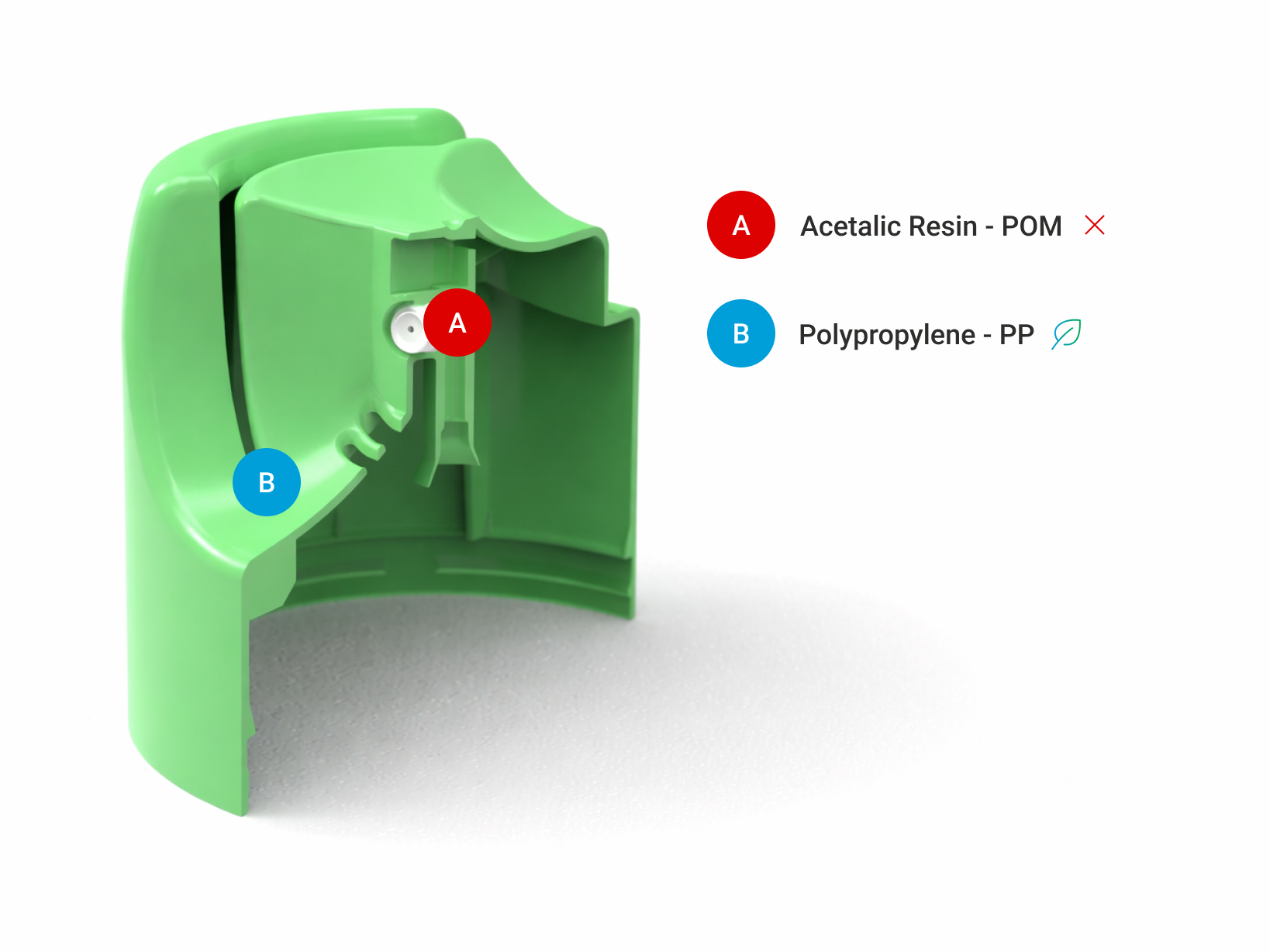
Coster has developed proprietary “Vortex” technology to optimize spray performance of insert-less actuators.
The idea behind this technology is to offer a sustainable but also efficient solution in terms of spraying performance that also presents relevant cost advantages.

The problem

Nowadays, the need to design more sustainable products often leads to the development of mono-material packaging components in order to facilitate their disposal after use.

Most aerosol actuators can be easily removed from the can but are not recyclable because of the POM (acetal resin) insert that contaminates PET recycling streams.

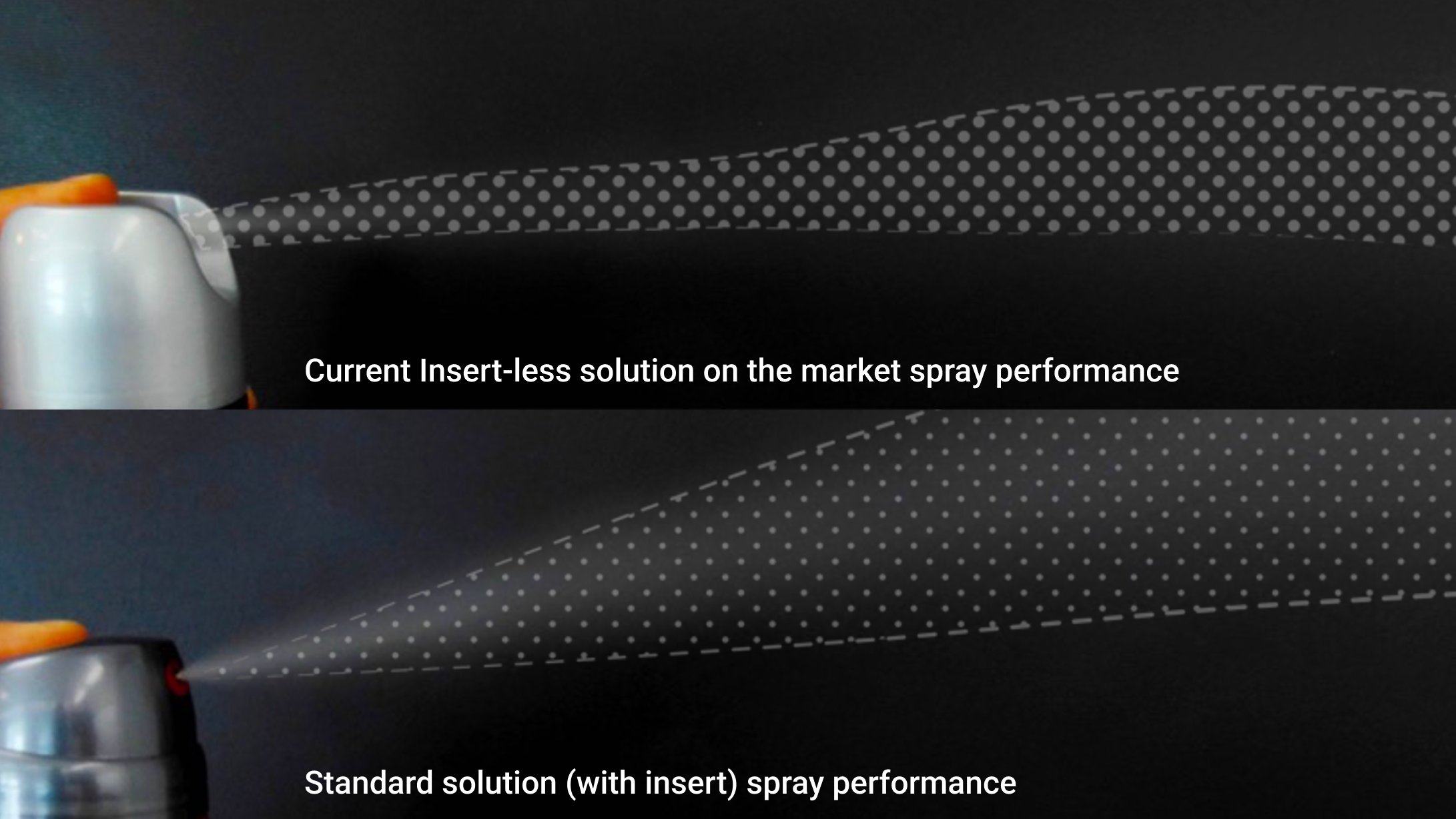
Anyway inserts are usually required for optimizing spray nebulization, since today’s insert-less actuators show inferior spray performances.

Inserts are essential components for achieving high-quality spray performance

  • Nebulization control: they break up the fluid into fine particles for consistent spray quality
  • Spray pattern definition: different geometries create different spray outputs
  • Engineering precision: manufactured with tight tolerances to ensure repeatability

For these reasons, POM has traditionally been the suitable material to moulds inserts thanks to its properties.

Vortex Technology solution

With Vortex technology, Coster has developed a groundbreaking solution.
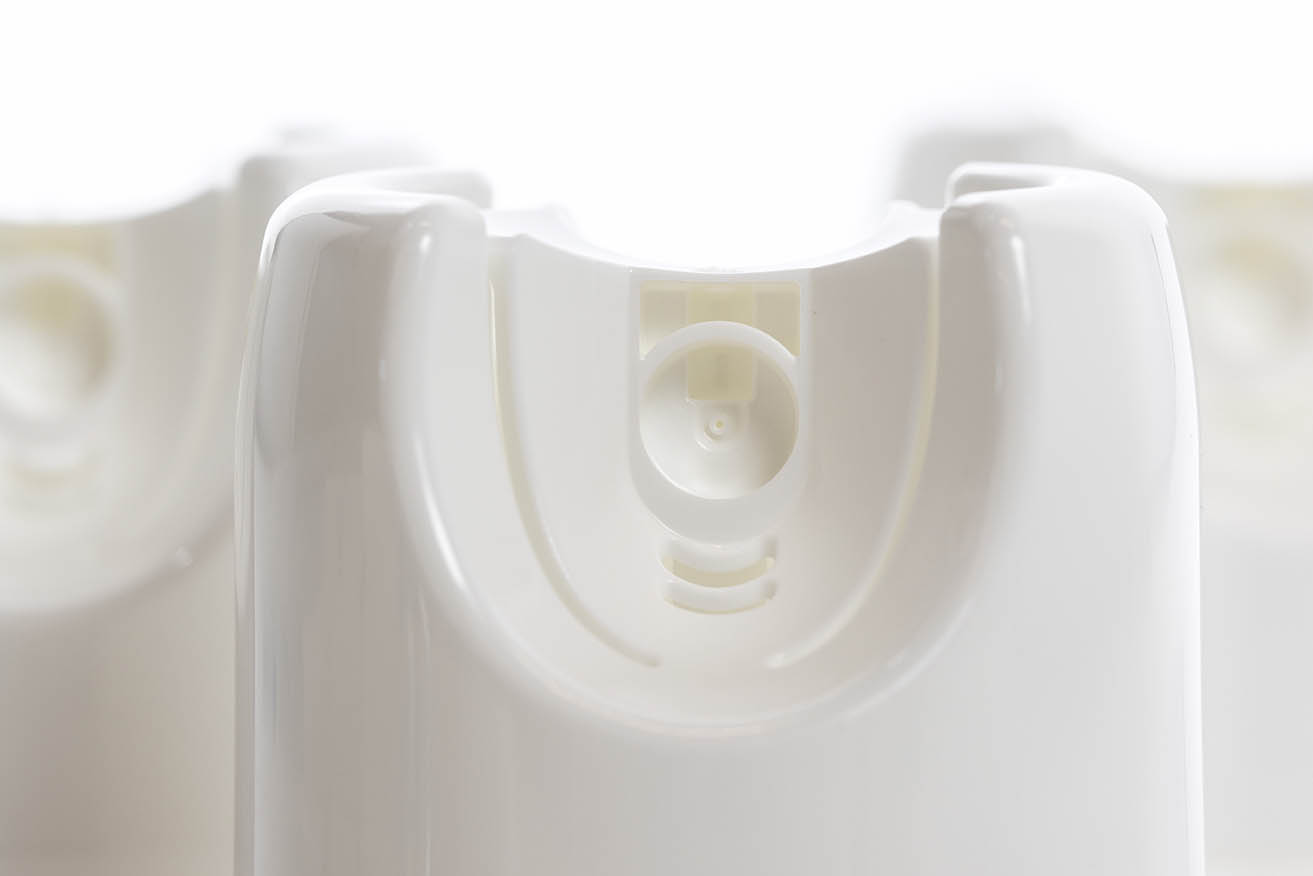
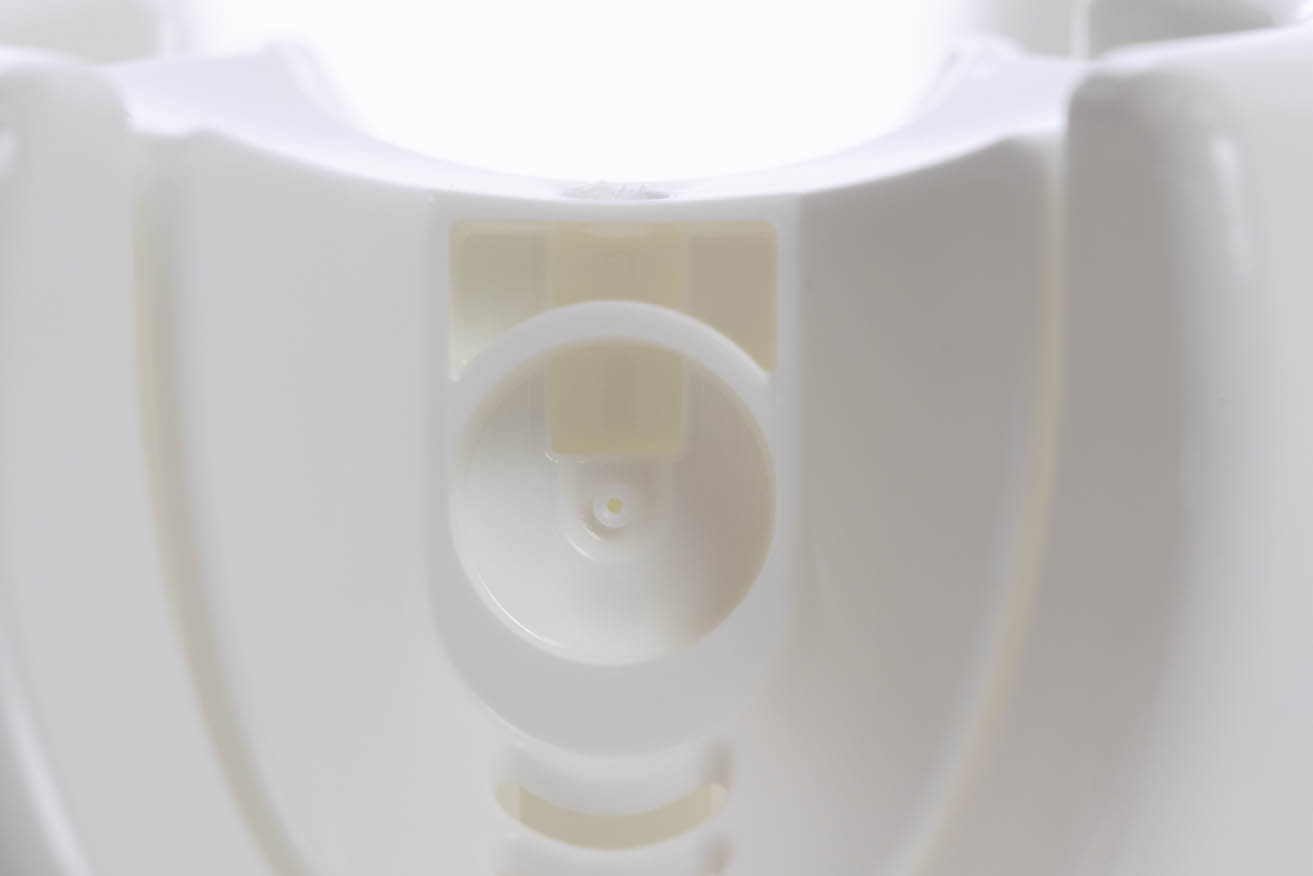
Vortex Technology recreates the same swirling effect typically generated by inserts, directly inside the cap, delivering a spray performance on par with standard caps using inserts, ensuring consistent and reliable results. Same output, simplified design.
Improved recyclability
By eliminating the POM insert, Vortex removes the main source of material contamination in recycling streams. This enables a more efficient separation process and supports the transition toward fully recyclable packaging.
High spray performances
Vortex Technology recreates the internal swirl typically generated by inserts, ensuring a fine, consistent spray. The result is a performance level comparable to traditional insert-based systems, without compromising output quality.
Cost Efficiency
A single-material cap design makes the product easier to handle, integrate, and dispose of. This streamlined approach improves both manufacturing efficiency and end-of-life management.
Simplified Design
Removing the insert reduces material usage and simplifies the production process. Fewer components mean lower assembly complexity and potential cost savings across the entire supply chain.